











-100x100.png)


















Marine safety equipment is not just a regulatory requirement — it is a critical system that determines how well a vessel and its crew are protected in real emergency situations. Whether you operate a commercial vessel, a charter yacht, or a private pleasure craft, understanding the difference between SOLAS-approved and ISO-certified marine safety equipment is essential.
Confusion between these standards often leads to incorrect equipment selection, failed inspections, unnecessary costs, or — worse — insufficient protection at sea. This guide explains what SOLAS and ISO really mean, where each standard applies, and how to choose the correct safety equipment for your vessel type and operational profile.
As an official distributor of LALIZAS safety equipment, Gaelix Marine Service supports yacht owners, captains, fleet operators, and shipyards worldwide with compliant, certified, and proven marine safety solutions.
Understanding Marine Safety Regulations at Sea
Maritime safety regulations are designed around risk profile, not brand preference. The same lifejacket or liferaft may be excellent in quality but still legally incorrect for a specific vessel.
Two primary regulatory frameworks dominate marine safety equipment selection:
-
SOLAS (Safety of Life at Sea Convention)
-
ISO standards (primarily ISO 12402 and ISO 9650)
They serve different vessel categories, operational environments, and enforcement authorities.
What Is SOLAS and When Is It Mandatory?
SOLAS Explained
SOLAS (Safety of Life at Sea) is an international maritime convention governed by the International Maritime Organization (IMO). It applies to vessels that operate in commercial shipping and professional maritime environments.
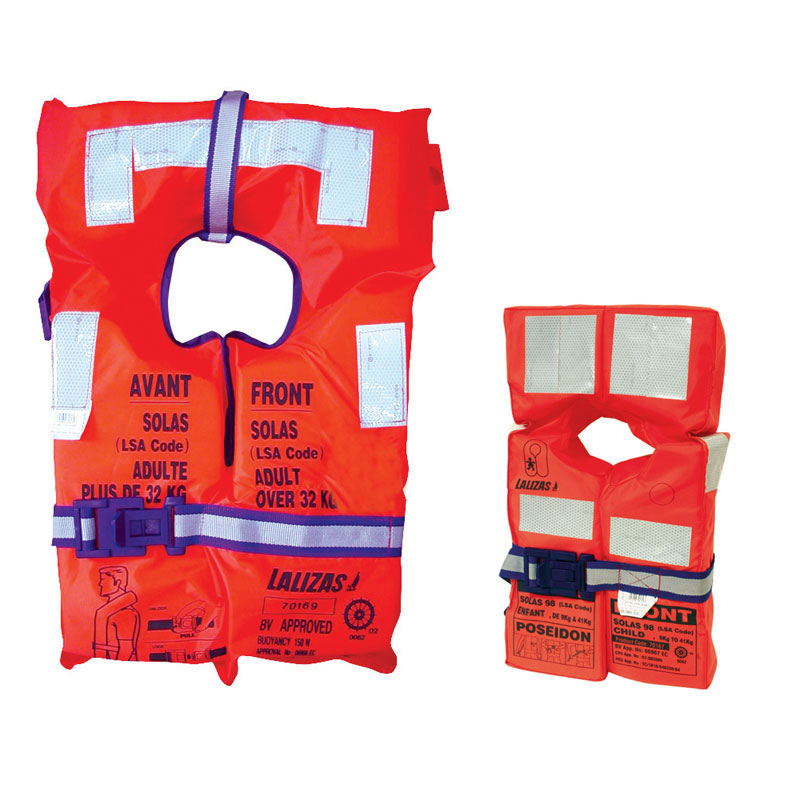
SOLAS equipment is designed for:
-
High-risk operations
-
Offshore and ocean-going voyages
-
Large crews and passengers
-
Long rescue response times
Vessels That Require SOLAS Equipment
SOLAS-approved safety equipment is mandatory for:
-
Commercial cargo vessels
-
Tankers and offshore support vessels
-
Passenger ships and ferries
-
Commercial fishing vessels (depending on flag state)
-
Mega yachts operating under commercial certification
-
Charter yachts with SOLAS compliance requirements
In these cases, ISO equipment is not sufficient, even if it looks similar.
Key Characteristics of SOLAS Safety Equipment
SOLAS-approved equipment is defined by robust construction, redundancy, and extreme reliability.
Typical SOLAS requirements include:
-
-
High buoyancy (typically ≥150N or ≥275N)
-
Automatic self-righting
-
Large buoyant collars
-
Fire-resistant materials
-
Whistles, lights, reflective tape
-
-
SOLAS Liferafts
-
Insulated double floors
-
Thermal protective canopies
-
Emergency packs (flares, rations, water, sea anchors)
-
Drop-tested canisters
-
-
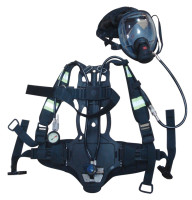
Firefighting & Breathing Equipment
-
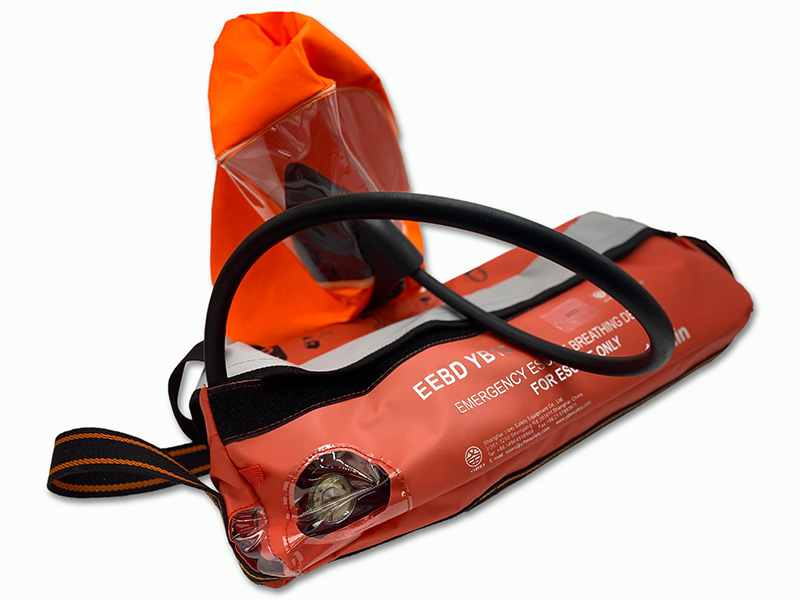
SCBA (Self-Contained Breathing Apparatus)
-
EEBD (Emergency Escape Breathing Devices)
-
Fireman’s outfits
-
-
-
SOLAS-approved flares
-
EPIRBs and SARTs
-
Brands such as LALIZAS specialize in full SOLAS compliance, offering equipment certified by major classification societies.
What Is ISO and Where Does It Apply?
ISO Explained
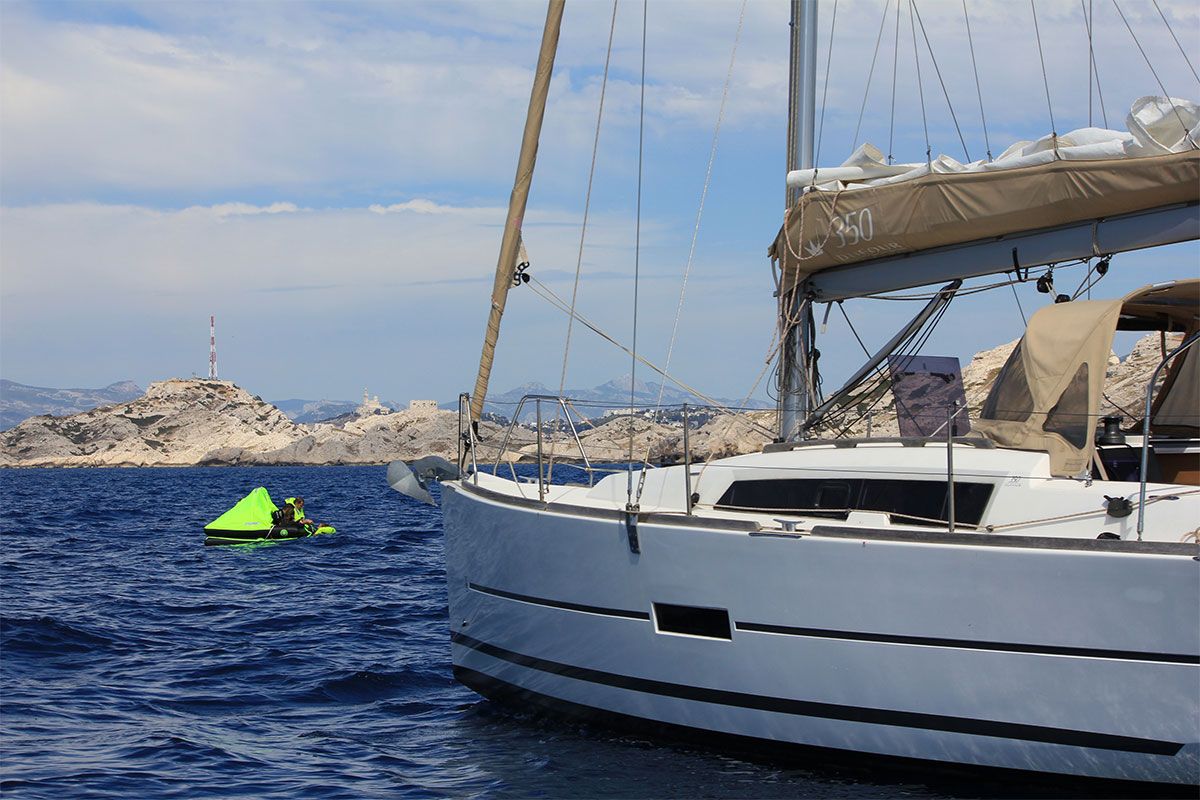
ISO (International Organization for Standardization) standards define safety equipment for recreational and non-commercial vessels. The most relevant standards include:
-
ISO 12402 — Lifejackets and personal flotation devices
-
ISO 9650 — Liferafts for recreational craft
ISO standards focus on practical safety for leisure boating, where rescue response is usually faster and operational risks are lower.
Vessels That Typically Use ISO Equipment
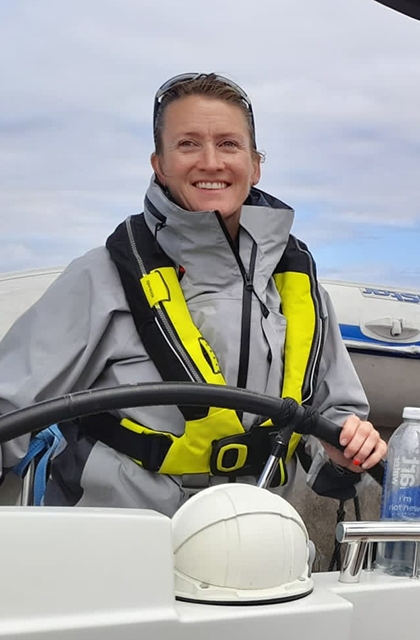
ISO-certified equipment is suitable for:
-
Private motor yachts
-
Sailing yachts
-
Catamarans
-
Day boats and weekend cruisers
-
Non-commercial pleasure craft
ISO equipment is widely accepted for vessels not subject to SOLAS inspections.
ISO Lifejackets vs SOLAS Lifejackets
While both serve the same purpose, their design philosophy is very different.
ISO Lifejackets
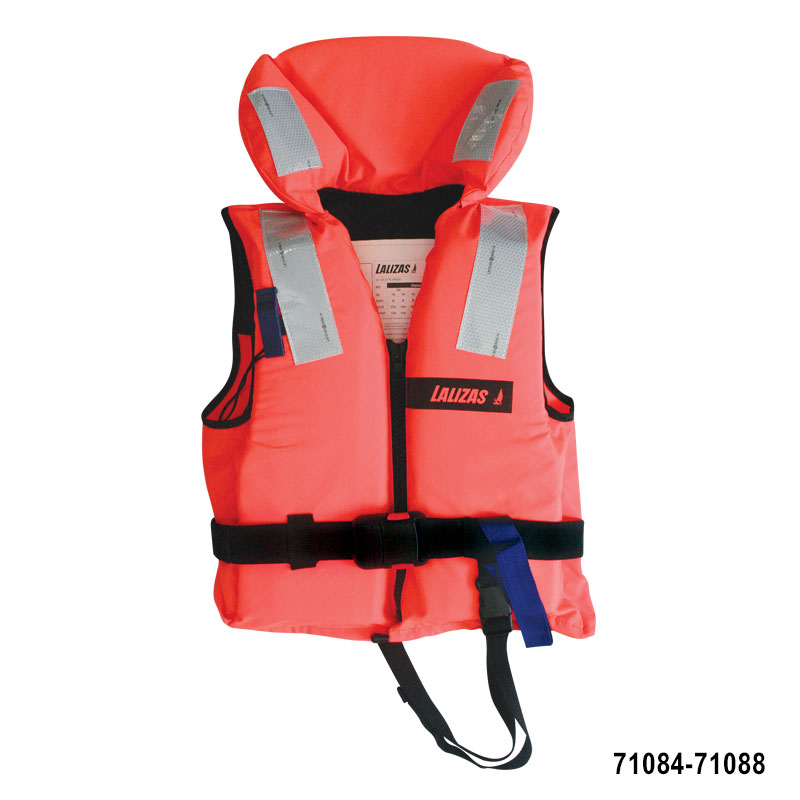
ISO lifejackets are optimized for:
-
Comfort and wearability
-
Lightweight materials
-
Compact storage
-
Ease of movement onboard
Typical ISO buoyancy classes:
-
100N — sheltered waters
-
150N — coastal and offshore use
-
275N — heavy clothing or extreme conditions
Brands such as LALIZAS, Besto, Talamex, and Hero produce high-quality ISO-certified lifejackets suitable for private yachts.
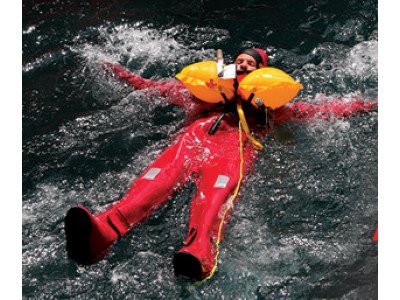
SOLAS Lifejackets
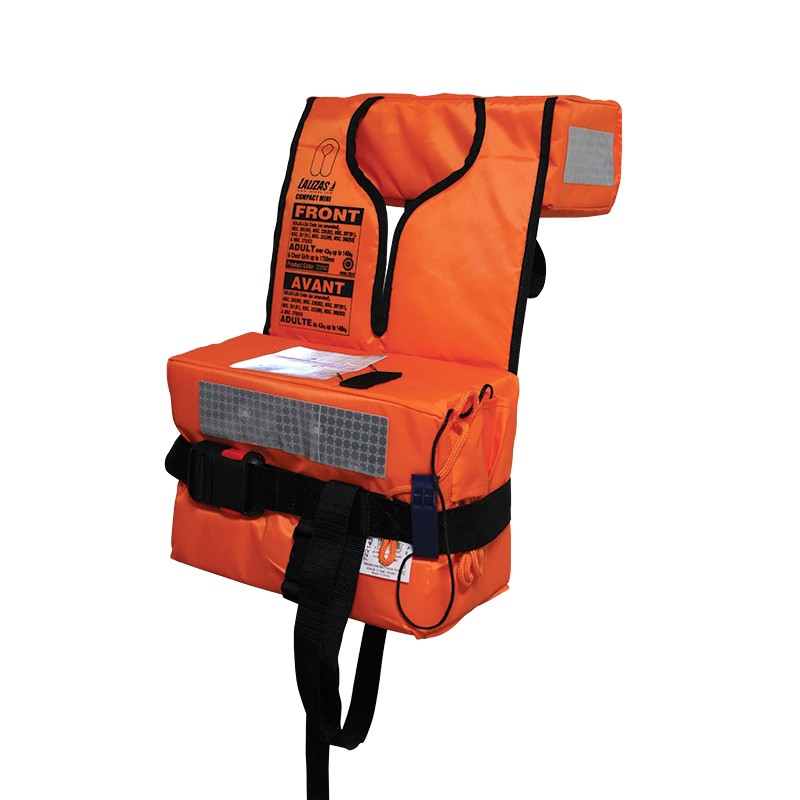
SOLAS lifejackets prioritize:
-
Maximum buoyancy
-
Guaranteed face-up turning
-
Thermal and fire resistance
-
Visibility in harsh conditions
Comfort is secondary to survivability.
ISO vs SOLAS Liferafts: Key Differences
Liferafts represent one of the most critical safety investments onboard.
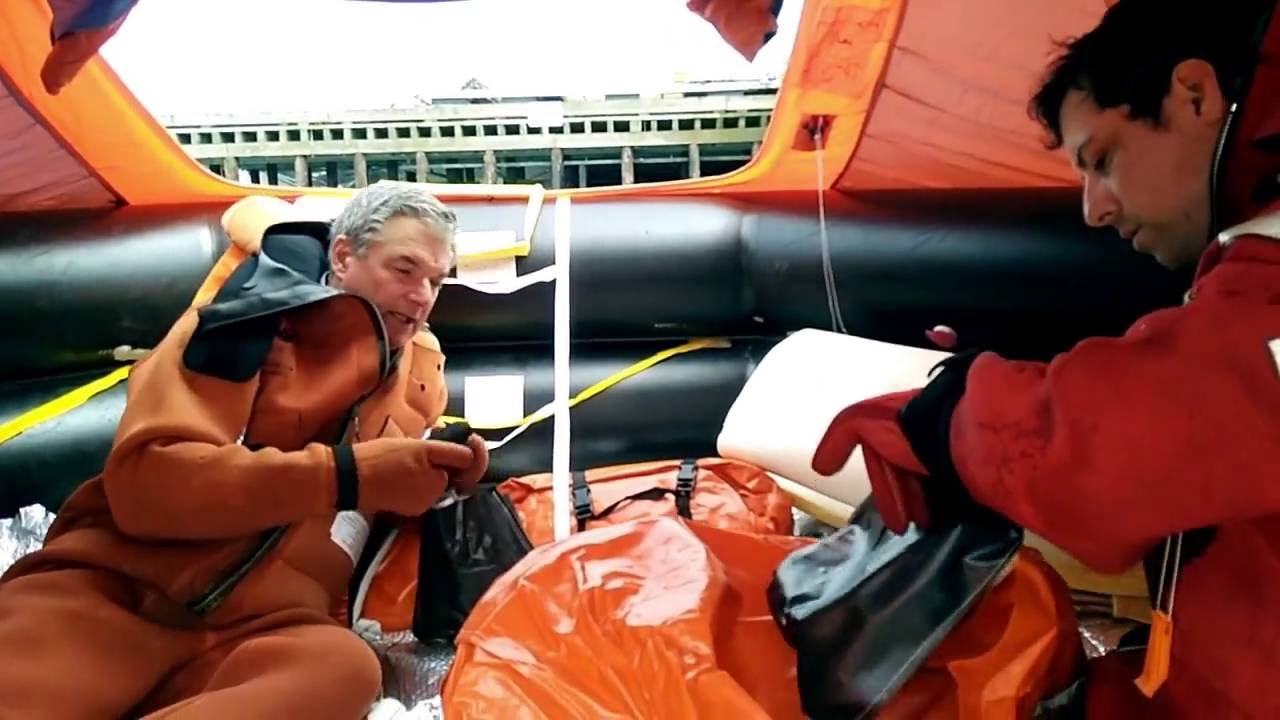
ISO Liferafts (ISO 9650)
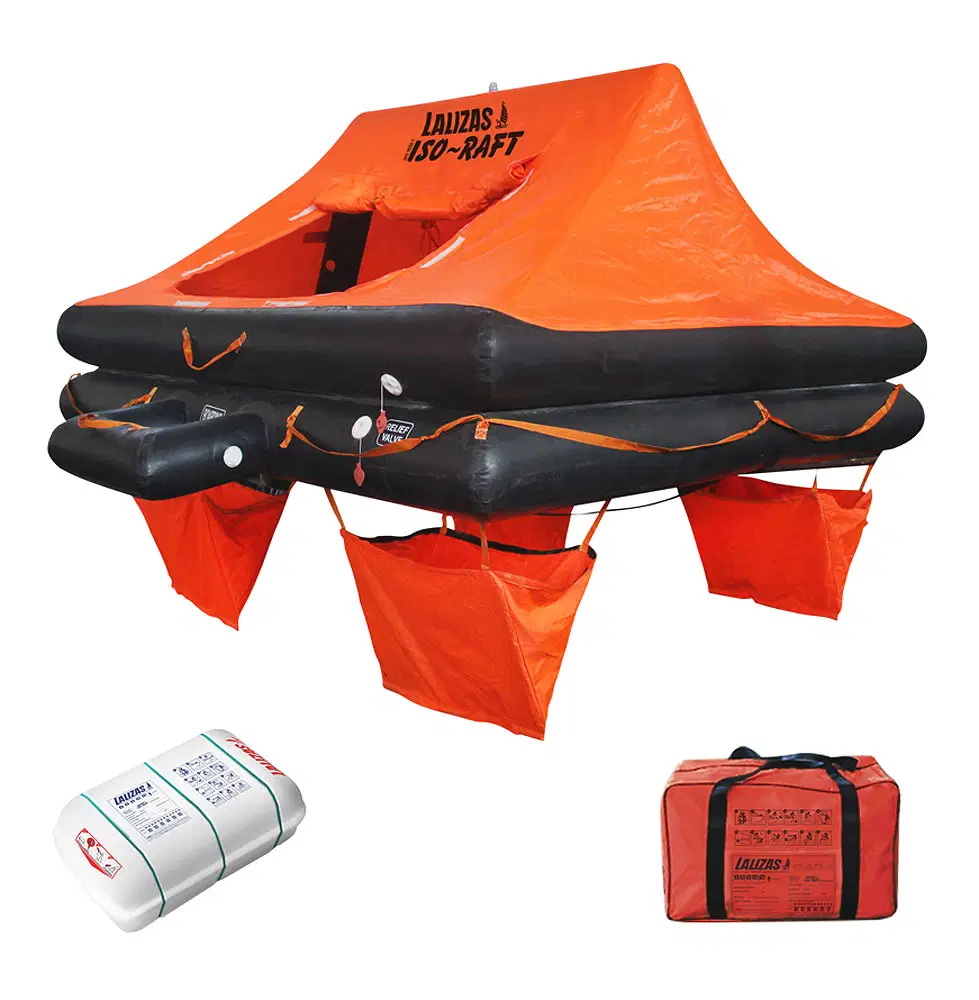
ISO liferafts are designed for:
-
Short- to medium-duration survival
-
Recreational offshore sailing
-
Faster rescue expectations
They are lighter, easier to deploy, and more compact.
SOLAS Liferafts
SOLAS liferafts are built for:
-
Extended survival at sea
-
Commercial operations
-
Harsh weather and delayed rescue
They include:
-
Insulated floors
-
Larger emergency packs
-
Stronger canopies
-
Heavy-duty canisters
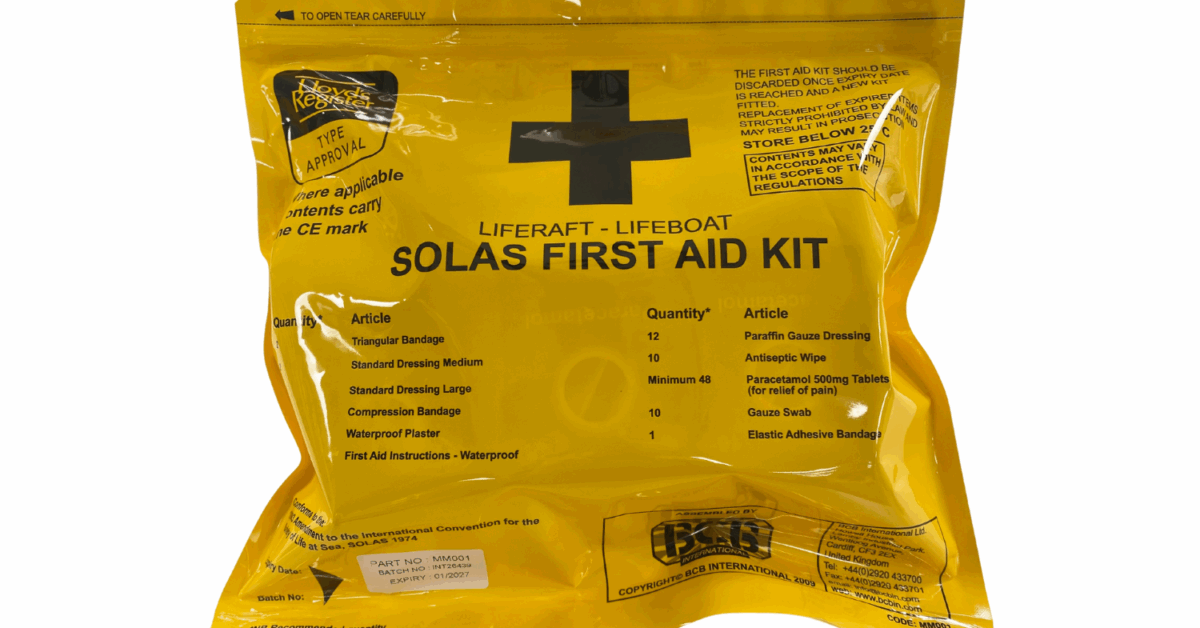
For commercial vessels, ISO liferafts are not legally acceptable.
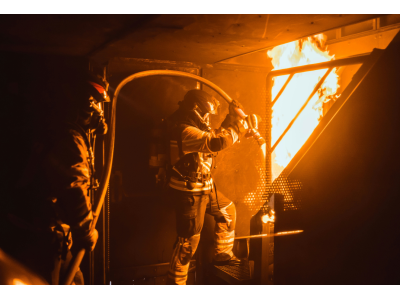
Fire Safety and Breathing Protection: SOLAS Territory
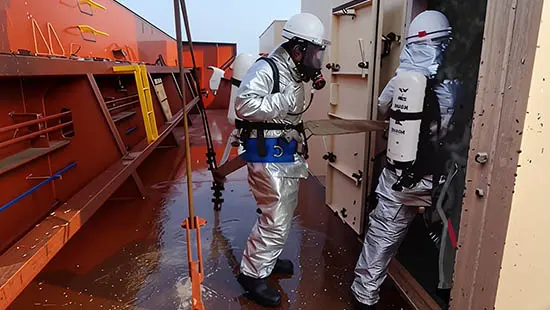
One area where ISO does not apply is professional firefighting and breathing equipment.
SOLAS-regulated vessels require:
-
SCBA systems
-
EEBD units
-
Fireman’s outfits
-
Certified fire extinguishers
LALIZAS is one of the few manufacturers offering complete SOLAS-certified firefighting and breathing protection systems suitable for commercial ships and offshore installations.
Why Incorrect Certification Is a Serious Risk
Choosing ISO equipment for a SOLAS-regulated vessel can result in:
-
Failed port state control inspections
-
Detention of the vessel
-
Insurance invalidation
-
Heavy fines
-
Legal liability after an incident
Conversely, installing SOLAS equipment on a private yacht is not wrong, but often unnecessary and cost-inefficient.
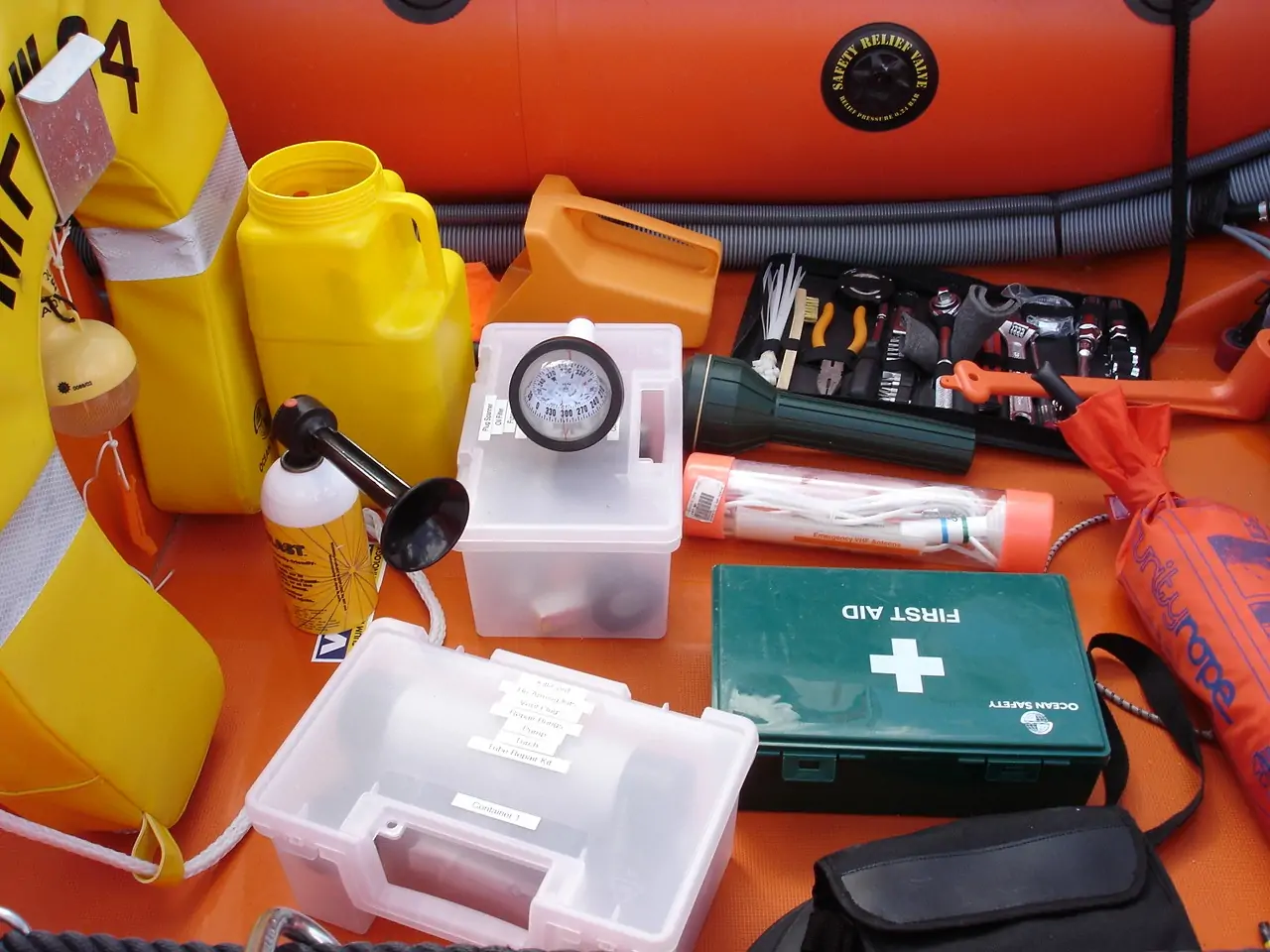
Correct selection is about matching regulation to operational reality.
How Gaelix Marine Service Helps You Choose Correctly
At Gaelix Marine Service, safety equipment selection is treated as a system decision, not a catalog choice.
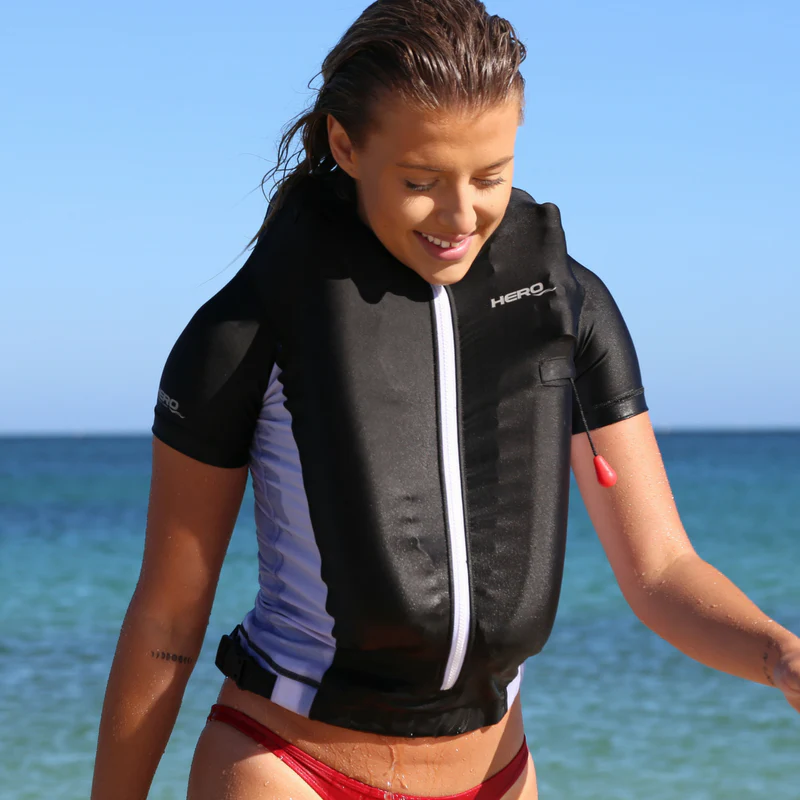
We support clients worldwide with:
-
Regulatory guidance (SOLAS vs ISO)
-
Flag-state awareness
-
Yacht and vessel type assessment
-
Brand-correct recommendations
As an official distributor of LALIZAS, and with experience supplying Besto, Talamex, and Hero equipment where appropriate, we ensure every vessel receives legally compliant and operationally correct safety solutions.
Quick Reference: SOLAS vs ISO at a Glance
Choose SOLAS if:
-
The vessel is commercial
-
Offshore operations are involved
-
Inspections by authorities are expected
-
Crew safety requirements are strict
Choose ISO if:
-
The vessel is private
-
Recreational use only
-
Coastal or offshore leisure sailing
-
Comfort and usability are priorities
Final Thoughts
Marine safety equipment is not an area for compromise or assumptions. Understanding the difference between SOLAS and ISO standards ensures:
-
Legal compliance
-
Crew and passenger safety
-
Correct insurance coverage
-
Peace of mind at sea
Choosing certified equipment from trusted manufacturers — and selecting it with expert guidance — is the foundation of responsible seamanship.

.jpg?_t=1739253366)
Gaelix Marine Service remains your reliable partner for SOLAS and ISO marine safety equipment, with worldwide supply, professional support, and deep technical understanding of real-world marine operations.


Write a comment