


















-100x100.png)
































Mooring springs and compensators are designed to absorb movement between the yacht and the dock, reducing shock loads and noise during berthing. Even in calm marinas, wind, passing vessels and changing water movement can make the hull shift against the lines. Without proper shock absorption, this motion transfers directly to cleats, fairleads and deck hardware, causing wear, uncomfortable jolting and hull scuffing. Mooring springs and compensators create controlled elasticity in the docking system, providing quieter, smoother and more stable mooring conditions.
This category includes Ocean, Lalizas and Talamex mooring springs and rubber compensators for rope, as well as stainless-steel mechanical springs for demanding mooring conditions. Whether your yacht is stern-to in a Mediterranean marina, lying alongside a fixed quay or berthed in an exposed outer pontoon, the right compensator makes docking more predictable and protects both hull and fittings. Our selection covers compact solutions for small boats, heavy-duty options for large yachts, and adjustable compensators suitable for frequent docking and charter use.

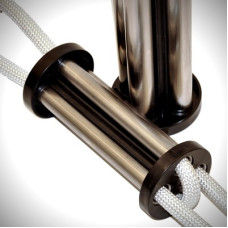
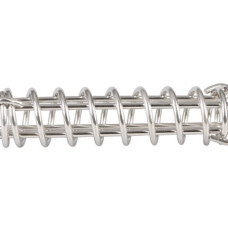
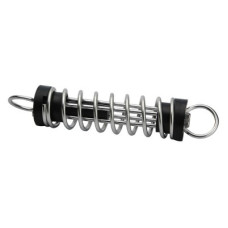
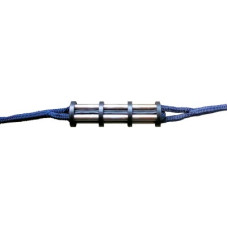
Mooring Springs & Compensators — Controlled Movement, Less Stress
Why Shock Absorption Matters
When a yacht moves at the dock, the motion is transferred along the mooring lines. If the rope has no elasticity or compensation system, that force translates directly into sharp impacts on cleats, fairleads and bollards. Over time, this leads to fatigue, vibration noise, hardware wear and repeated hull contact with the pontoon.
A mooring spring or compensator acts like a buffer — not eliminating movement entirely, but smoothing it into a gentle, controlled motion.
Factors That Determine the Right Type
Effective shock absorption depends on:
-
Boat displacement and length
-
Line diameter and elasticity
-
Exposure of the berth (inner marina vs. outer pontoon)
-
Mooring style (stern-to, side-to, pile mooring, swing)
Lighter boats usually use rubber compensators, while heavier yachts benefit from stainless-steel or heavy-duty polymer tension systems.
Product Types and Applications
OCEAN Anchoring Spring for Rope
A heavy-duty mechanical spring designed to provide controlled tension under dynamic loads.
Best for:
-
Exposed marinas
-
Large yachts with long stern lines
-
Piers with significant surge motion
This type reduces the sharp, metallic “jerk” that occurs when the bow or stern shifts under wind.
Stainless Steel Mooring Spring
A highly durable option built to handle continuous cyclic loading with minimal deformation.
Recommended for:
-
Permanent marina berths
-
Heavier displacement hulls
-
Situations with frequent ferry wake or crosswind
The steel body maintains performance over long-term use and is preferred in professional or commercial berths.
Mooring Rubber Compensator (Lalizas / Talamex / Ocean)
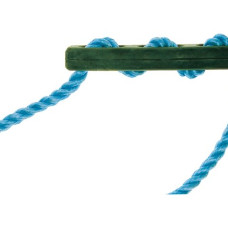
A compact, simple and reliable solution that uses rope friction across a shaped rubber body to provide elastic resistance.
Advantages:
-
Lightweight and easy to install
-
No mechanical parts or corrosion points
-
Quiet in operation (no metal tension noise)
Ideal for sailing yachts and motor cruisers in standard marina environments.
Rope-Based Mooring Compensator
Designed for yachts that move frequently — simple to adjust or replace.
Useful for:
-
Charter fleet turnover
-
Seasonal berths
-
Bow and stern line adjustment
A practical, cost-effective choice that extends line lifespan by preventing shock-loading.
Installation Notes for Best Performance
-
Ensure the compensator matches the diameter of the mooring rope
-
Place the compensator on the section of line that takes the most dynamic load (usually stern lines in Med mooring)
-
Avoid over-tightening the line — some tension is required to let the compensator work
-
Periodically check the line for chafe near fairleads and cleats
Correct installation provides quiet, predictable hull movement and reduces wear on both rope and hardware.
Why Purchase Here
-
Selection of Ocean, Lalizas, and Talamex models for different vessel sizes
-
Stock availability and worldwide delivery
-
Technical guidance based on real marina docking practice
-
Suitable for private yachts, charter fleets and commercial craft
FAQ (Frequently Asked Questions)
Do I need a mooring compensator?
Yes, if your berth experiences wind, swell or passing vessel wake — it significantly reduces load impact.
Which type is better: rubber or stainless steel?
Rubber is quiet and simple; stainless steel is stronger for heavy yachts and exposed berths.
Where should the compensator be installed?
In the section of the line that absorbs the most movement, typically stern lines in Mediterranean mooring.
Does it replace the need for fenders?
No — compensators protect motion, fenders protect contact.
What should I add next?
Consider fender covers and a compact davit solution such as NorDav Norwegian Swivel Davit Systems for tender handling.