
















-100x100.png)































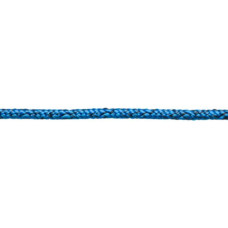
Mooring ropes and docking accessories form the essential link between your yacht and the dock. They manage vessel motion, absorb shock from wind and wake, and prevent hull contact with pontoons, pilings, and neighboring boats. The right mooring setup keeps the boat steady during boarding, protects hardware from overload, and ensures quiet, stable nights in the marina. For sailing yachts, motor yachts, RIBs, tenders, and commercial craft, rope construction, elongation, and diameter have a direct impact on comfort, vessel safety, and the lifespan of deck fittings.
This category includes mooring lines and accessories from Lalizas and Talamex, covering shock-absorbing dock lines, traditional 3-strand ropes, double-braided polyester lines, chain-rode transition ropes, floating stern lines, and webbing belts for Mediterranean stern-to mooring. All options are designed for long-term outdoor exposure, continuous cyclic load, and reliable performance in marinas, harbors, and exposed mooring fields.
Our team can assist in selecting the correct rope dimensions and configuration for your vessel and docking environment.

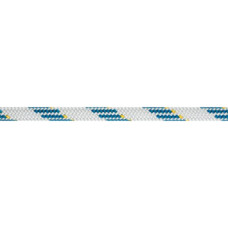
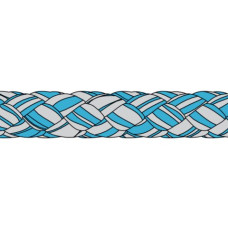
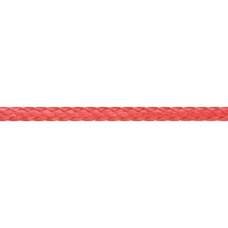
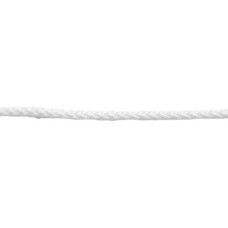
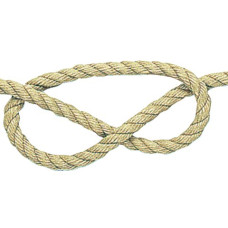
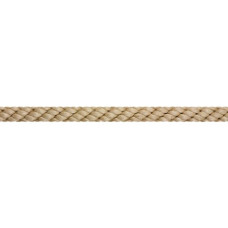
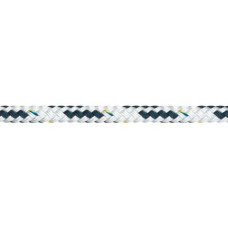
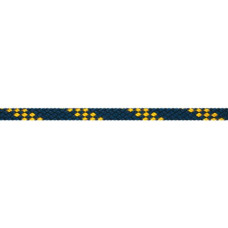
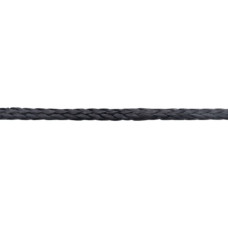
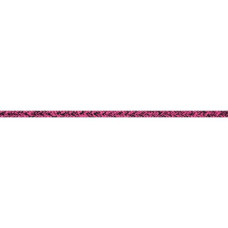

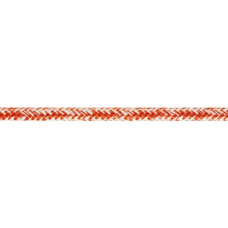
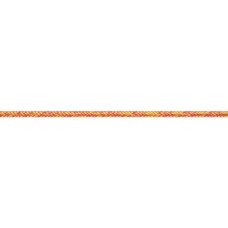
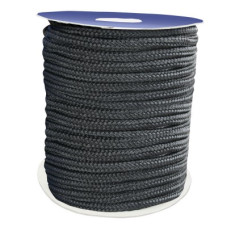
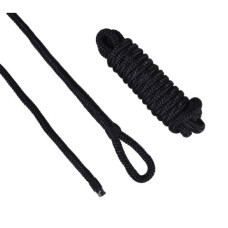
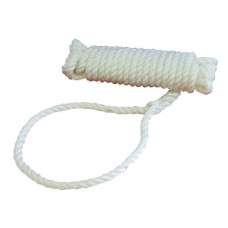
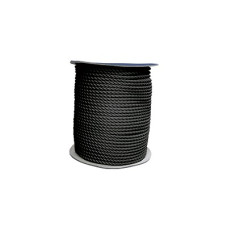
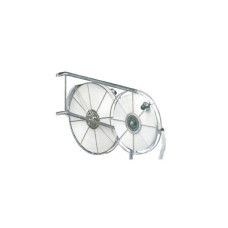
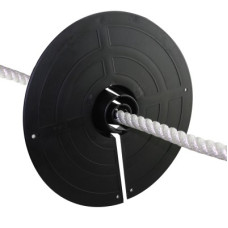
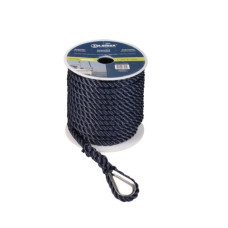

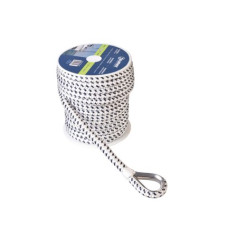
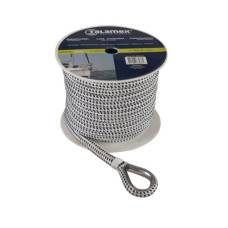
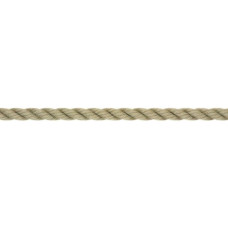
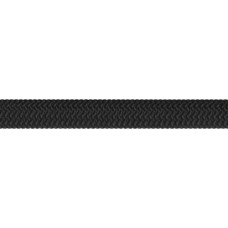
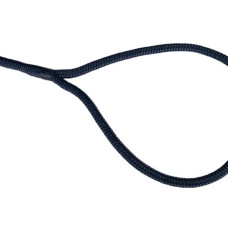
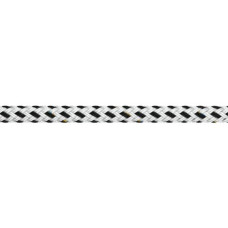
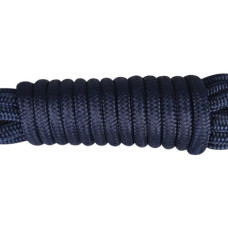
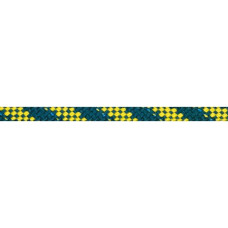
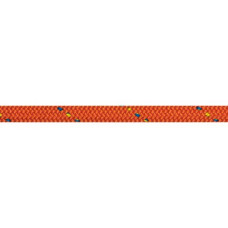
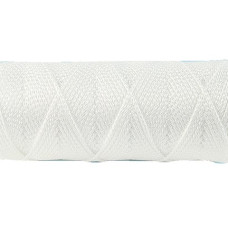
Mooring Ropes & Docking Accessories — Safe and Controlled Berthing
Understanding Real Dockside Conditions
Docking rarely happens in perfectly calm water. Wind may push the bow off alignment, ferry wake rolls across the outer pontoons, and the marina pontoons themselves may rise or fall with tide. Mooring ropes manage these dynamic forces. The goal is not to eliminate movement entirely, but to control it in a way that protects the hull and fittings while keeping the yacht predictable and comfortable.
A well-set mooring arrangement minimizes shock loading, reduces abrasion, and helps ensure the boat rests quietly at the berth rather than grinding or jolting against contact points.
Choosing the Right Mooring Lines
Three characteristics define correct mooring rope selection:
-
Length
-
Bow and stern lines should be close to the length of the boat.
-
Spring lines typically measure 1.5 × the boat’s length.
-
Additional length may be needed for pilings, high piers, or tidal range.
-
-
Diameter
Diameter increases with displacement rather than simply hull length.
Approximate starting points:-
6–8 m boats → 10–12 mm rope
-
9–12 m yachts → 12–14 mm rope
-
13–16 m yachts → 14–18 mm rope
-
17–22 m and workboats → 20–24 mm or greater
-
-
Construction
Ropes with some elasticity reduce shock, while stiffer braids improve handling and durability.
Rope Types and Their Best Applications
Shock-Absorbing Mooring Line
Designed to soften load spikes that occur when the boat surges in crosswind, fetch, or ferry wash. Ideal for:
-
exposed marina berths,
-
boats docked at outer pontoons,
-
charter fleets rotating daily.
This type reduces strain on cleats and minimizes uncomfortable hull movement.
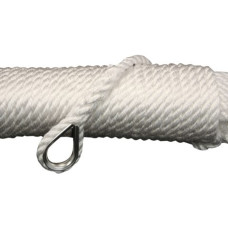
3-Strand Mooring Rope
A classic marine dock line with natural stretch and comfortable handling.
Benefits:
-
forgiving under shifting load,
-
easy to splice and repair,
-
proven for everyday marina use.
Common on sailing yachts, RIBs, school fleets, and charter cruisers.
Double-Braided Mooring Rope (16-strand)
A smoother, stronger construction for long-term berthing.
Advantages:
-
greater abrasion resistance,
-
more controlled elongation,
-
minimal flattening in fairleads and cleats.
Often chosen for private yachts spending most of the season in the same berth.
Rope for Chain Rode Use
A line with a factory-integrated chain splice that works cleanly with windlasses.
Used for:
-
bow anchoring setups,
-
semi-permanent mooring,
-
swing moorings and mooring fields.
Ensures consistent transition and load distribution under anchor tension.
Floating Polypropylene Stern Line
Easily visible and buoyant. Practical for:
-
stern-to mooring,
-
dinghy towing,
-
safety retrieval operations.
Particularly useful in crowded marinas and shallow anchoring zones.
Mooring Webbing Belt with Inox Stern Roller
A flat belt system designed for Mediterranean bow-to or stern-to mooring.
It feeds smoothly during approach and retrieves without twists, reducing deck friction and making maneuvering more controlled and predictable.
Mooring Accessories for Reliable Handling
-
Mouse stoppers to prevent rope slipping on cleats
-
Electric rope cutter for sealed, fray-free ends
-
Rope measuring devices for precise length planning
-
Marine scissors for onboard maintenance
These accessories extend rope lifespan and reduce noise and chafe.
Why Choose From Gaelix Marine Service
-
Direct supply of Lalizas and Talamex
-
Marine-grade materials built for UV and saltwater conditions
-
Stock availability and worldwide shipping
-
Guidance based on real docking practice, not catalog theory
-
Suitable for private vessels, charter fleets, and commercial boats
FAQ (Frequently Asked Questions)
How many mooring lines should I carry?
Most yachts use six: two bow lines, two stern lines, and a pair of spring lines.
Should I use shock-absorbing lines?
Yes, if your berth experiences wind, swell, or ferry wake. They reduce hardware stress and improve comfort.
How long should the lines be?
Bow and stern lines ≈ boat length; spring lines ≈ 1.5 × boat length.
Can I use floating rope for primary mooring?
Floating rope is best as an additional stern or retrieval line, not as a primary load-bearing line.
What should I consider next in my docking setup?
If you carry a tender, consider a compact davit system